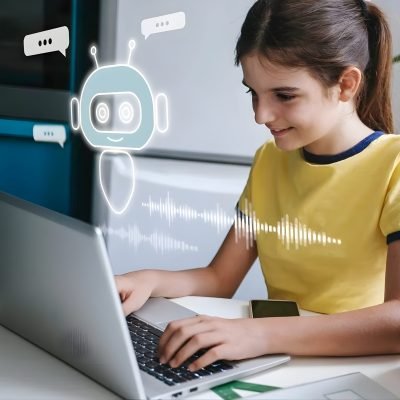
The digital transformation of education has fundamentally changed how we acquire knowledge and develop skills. Online learning, once dismissed by skeptics as a fad, has now emerged as a revolutionary force that is reshaping the educational landscape. Today, online learning not only serves as a substitute for traditional education, but it also signifies a significant and enduring paradigm shift. Read this blog to get insight of Why Online Learning Is More Than a Trend?
Why Online Learning Is More Than a Trend:
Online learning has matured far beyond its humble beginnings of simple video lectures and PDF downloads. Modern e-learning platforms now offer immersive, interactive experiences that rival and often surpass traditional classroom settings. With advanced technologies like artificial intelligence, virtual reality, and adaptive learning systems, digital education has become increasingly sophisticated and effective.
Why Is Online Learning More Than a Trend? The global online education market continues its explosive growth, with millions of learners worldwide choosing digital platforms for professional development, academic degrees, and personal enrichment. This sustained expansion demonstrates that online learning has transcended trend status to become an integral part of our educational infrastructure.
Accessibility: Breaking Down Barriers to Education
One of the most compelling reasons online learning represents a permanent shift is its unparalleled accessibility. Traditional education often creates barriers through geographical limitations, scheduling conflicts, and financial constraints. Online learning demolishes these obstacles, democratizing access to quality education.
Students in remote areas can now access courses from prestigious universities without relocating. Working professionals can pursue advanced degrees while maintaining their careers. Parents can learn new skills during hours that fit their family schedules. This flexibility transforms education from a privilege available to few into an opportunity accessible to many.
The economic accessibility of online learning cannot be overstated. Without expenses for campus facilities, commuting, or relocation, digital education typically costs significantly less than traditional alternatives. Many platforms offer free courses, while paid programs remain more affordable than conventional tuition, making lifelong learning financially feasible for diverse populations.
- Personalized Learning Experiences
Online learning platforms leverage technology to deliver personalized educational experiences that adapt to individual learning styles, paces, and preferences. Unlike traditional classrooms where instructors must teach to the middle of the class, digital learning environments can customize content delivery for each student.
Adaptive learning algorithms assess student performance in real-time, identifying knowledge gaps and adjusting difficulty levels accordingly. Visual learners can access video content and infographics, while reading-focused students can dive into detailed text materials. Auditory learners benefit from podcasts and audio lectures. This customization enhances comprehension and retention, leading to better learning outcomes.
The self-paced nature of online courses empowers students to take control of their educational journey. Those who grasp concepts quickly can accelerate through material, while others can take additional time to master challenging topics without feeling rushed or left behind.
Meeting the Demands of Modern Workforce Development
The rapid pace of technological advancement and evolving job market requirements have made continuous learning essential for career success. Traditional educational institutions struggle to keep pace with these changes, often teaching outdated content that fails to prepare students for contemporary workplace demands.
Online learning platforms excel at agility, quickly updating course content to reflect current industry standards and emerging technologies. Professionals can acquire cutting-edge skills in areas like artificial intelligence, data science, digital marketing, and cybersecurity through specialized online programs developed in collaboration with industry leaders.
Micro-credentials, digital certificates, and stackable qualifications offered through online platforms provide learners with flexible pathways to demonstrate competency and enhance their professional profiles. Employers increasingly recognize and value these credentials, understanding that online learners often possess practical, current skills directly applicable to their roles.
- The Technology Advantage
Advanced educational technology has transformed online learning from a compromise into a preferred learning method for many students. Interactive simulations allow medical students to practice procedures virtually. Engineering students can experiment with 3D modeling software. Business students can participate in realistic case study simulations with peers worldwide.
Collaboration tools enable meaningful peer interaction despite physical distance. Discussion forums, group projects, video conferencing, and social learning features create vibrant online communities where students engage with course material and each other. These digital interactions often prove more inclusive than traditional classrooms, giving voice to students who might feel intimidated in face-to-face settings.
Analytics and data tracking provide both learners and instructors with unprecedented insight into the learning process. Students can monitor their progress, identify weak areas, and adjust their study strategies. Educators can use detailed performance data to refine course content and provide targeted support where students need it most.
- Environmental and Social Impact
Online learning contributes positively to environmental sustainability by reducing the carbon footprint associated with traditional education. Eliminating daily commutes, reducing the need for physical infrastructure, and minimizing paper consumption make digital education an environmentally responsible choice.
The social impact extends beyond environmental benefits. Online learning promotes inclusive education by accommodating learners with physical disabilities, social anxiety, or other challenges that might make traditional classroom attendance difficult. It supports educational continuity during crises, as demonstrated during recent global events when online platforms ensured learning continued uninterrupted.
- The Hybrid Future
Rather than replacing traditional education entirely, online learning is driving the evolution toward hybrid models that combine the best elements of both approaches. Blended learning strategies leverage face-to-face interaction for activities that benefit from physical presence while utilizing online platforms for content delivery, practice, and assessment.
This integration recognizes that different learning objectives require different approaches. The future of education lies not in choosing between online and traditional methods but in strategically combining them to maximize learning effectiveness and student success.
Conclusion
Online learning has proven itself to be far more than a temporary trend. Online learning is more than a trend, and actually, it is the future of education.
It represents a fundamental reimagining of how education can and should work in the modern world. Through its accessibility, personalization, adaptability, and technological sophistication, online learning addresses limitations inherent in traditional educational models while offering new possibilities for learners worldwide.
As technology continues advancing and online platforms become increasingly sophisticated, digital education will only grow more effective and prevalent. For students, professionals, and lifelong learners seeking flexible, affordable, and high-quality educational opportunities, online learning isn’t just a viable option—it’s often the best option.
The question is no longer whether online learning will last, but rather how quickly traditional institutions will embrace digital transformation to remain relevant in an increasingly connected, fast-paced world where knowledge accessibility and continuous learning have become essential for personal and professional success.
Book Your First Free Lesson with Expert Online Tutor Now.